Beyond “CALD”: Making visible women obscured by the term CALD in health research
Culturally and Linguistically Diverse" (CALD) is one of the most widely used yet poorly defined categories in Australian health research, collapsing migration pathway, language, religion, and socioeconomic position into a single binary that conceals the inequities it claims to measure. This methodological pilot uses Census data to demonstrate empirically what CALD aggregation hides about long-term mental health conditions among migrant women. Comparing routine CALD/non-CALD analysis with an intra-categorical, intersectionality-informed disaggregation, and workshopping findings with community organisations and policymakers, the pilot delivers proof of concept for a new analytical practice that makes marginalised women visible to the policies serving them.
Project Team
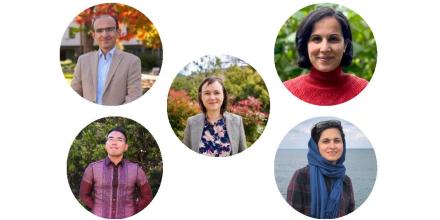
ANU researchers: Associate Professor Anna Olsen (project lead); Dr Davoud Pourmarzi; Dr Tehzeeb Zulfiqar; Guddu Kaur; Dr John Noel Viana
External Collaborators
Associate Professor Linda Murray (Massey University, NZ); The Australasian Epidemiological Association (AEA); The Migrant and Refugee Settlement Services (MARSS) of the ACT; Migrant and Refugee Health Partnership; Health Care Consumers' Association (HCCA).
Projected Outputs
- Peer-reviewed journal article reporting the findings of both analytical approaches and their implications for epidemiological research practice.
- A report to document the findings of the data analyses pilot synthesized with feedback from the stakeholder engagement workshops. The report will be written to serve as a resource for those seeking practical guidance on moving beyond CALD-based classification in their own work, particularly data custodians (AIHW and ABS).
- Dissemination event at the Australasian Epidemiology Association (AEA) Annual Conference.
- Dissemination event (online) to launch the report and influence policy and practice change.